How can a ceramic cup boost your café’s brand identity and repeat sales?
Earthenware work illustrates a distinguished discipline class with a long background, running back legions of centuries. From ancient urns to cutting-edge displays, the element offers peerless possibilities for creative manifestation. Makers practice assorted techniques – including coiling, wheel turning, and refined firing processes – to craft humble clay into compelling three-dimensional forms. The endurance of fired terracotta also contributes to its status as a truly consequential part of human culture.
Investigating Earthenware Marker Arrangements and Practices
The landscape of ceramic emblem design offers a vast array of creative possibilities. Designers often incorporate a combination of heritage-based and cutting-edge techniques to fabricate visually stunning pieces. These can include from simple, etched reliefs to complex, multi-layered formulations. Typical methods include shape forming, hand building, glaze application – which can involve various styles like pre-firing decoration, top glaze design, and incised illustration where designs are unmasked by stripping a layer of varnish. Supplementary examination into external finishes such as rapid firing and lustering can produce truly unique and bespoken terracotta signs.
- Form Casting - Producing pieces using a mold
- Manual Crafting - Precisely forming the loam
- Coating - Coating the external area with a silky finish
- Engraved motif - Exposing designs by scraping covers
Absorbing Experiences: Clay Art Presentations
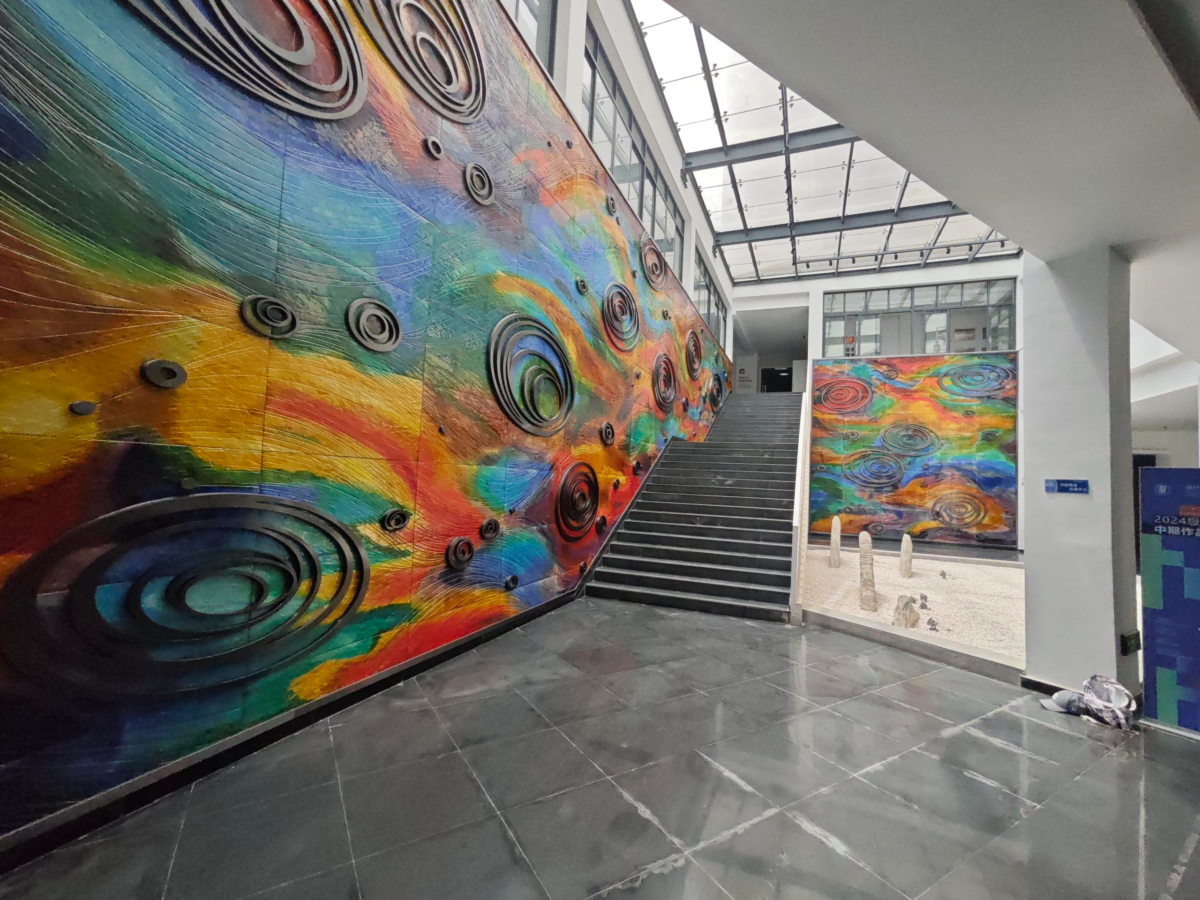
The evolving landscape of imagination presents exciting modern avenues for spectators, and ceramic art installations are at the vanguard of this development. These aren't just static creations; they are built to envelop the guest in a sensory ambiance. Imagine passing through a forest of towering, glazed ceramic trees, or navigating a cluster of fine ceramic vessels. Many artists are now incorporating tones, illumination, and even bouquet to enhance the effect of their work. Contemplate the power of a room filled with hundreds of meticulously ceramic objects, each telling a legend. Frequently, such installations probe themes of environment, heritage, and the individual.
- These particular installations blur the divisions between statue and structure.
- Experiencing a ceramic art installation can be a deeply moving journey.
- Artists are expanding the extents of what is attainable with clay.
Each Grace of the Stoneware Pot: Application and Form
The pottery receptacle represents a lovely amalgamation of practicality and creative appeal. Historically, these pots served a basic function in keeping liquids, but their growth has transformed them into highly valued works of craftsmanship. Each item showcases the ability of the creator, demonstrating how shape can be as essential as operation. The careful shaping, the special glazes, and the full presence of a masterfully-crafted pot can improve a space, offering both splendor and a soft reminder of the manual hand.
Latest Brick Sculpture : Challenging Frontiers
Latest porcelain sculpture represents a fascinating evolution from historical practices. Craftsmen are dynamically advancing with cutting-edge techniques, questioning the boundaries between artwork and distinct aesthetic areas. From immense installations to ornate miniature pieces, noted works explore themes of culture while at the same time rethinking the definition of what ceramics can achieve. The product is a exciting arena of innovative manifestation.
Pottery Marker: Protecting Tradition in Earth
Clay plaques offer a distinctive method for recording significant events and people. Unlike traditional metal or stone markers, these enduring pieces of production are formed from treated clay, creating a palpable link to the preceding days. Generally, they showcase intricate sculptures or vividly colored imagery, narrating stories that might otherwise be forgotten. One technique, linked to ancient tribes, provides a stunning and permanent ceramic vase way to honor our collective tradition.
- Those can be installed in public spaces.
- A large number of are now recognized historical artifacts.
Ceramic Art Creations: Reimagining Environments
Earthenware art installations are developing a strong medium for craftsmen to transform public and private places. These immersive installations frequently involve grand clay figures that hold viewers, transforming their view of the created environment. By adopting diverse processes like slab forming and complicated firing ways, ceramic artists construct truly exceptional experiences, challenging the boundaries between work and building. The consequence is often a moving modification that boosts the stylistic quality of the place and initiates interaction.
Origin Wheel to Phenomenon: The Skill of the Ceramic Holder
The journey of a clay receptacle from a simple lump of soil to a finished work of expression is a testament to human creativity. Classicall, the process launches with the potter’s spinning device, where the masterful artisan molds the twisting mud into a cylindrical profile. This beginning stage demands sharpness and a keen eye, followed by a delicate dehydration period. Once soft-fired, the pot is ready for enhancement, which may embrace applying intricate sketches, inscribing detailed vignettes, or incorporating a collection of textures. The ultimate curing process then renders the piece into a durable and remarkable urn, a tangible representation of the designer's talent.
Modeling with Stoneware: A Primer to Brick Art
Exploring the sphere of earthenware design begins with studying the tenets of molding with brick. This process involves thoughtfully layering and removing substance to form three-dimensional forms. If you're a neophyte or a master designer, engaging with distinct classes of terracotta – particularly terracotta – will enable you uncover your idiosyncratic manner. At last, earthenware pottery is a rewarding quest that fuses practical mastery with inventive manifestation.