Is integration of sheet metal edge rounding solutions with ERP possible?
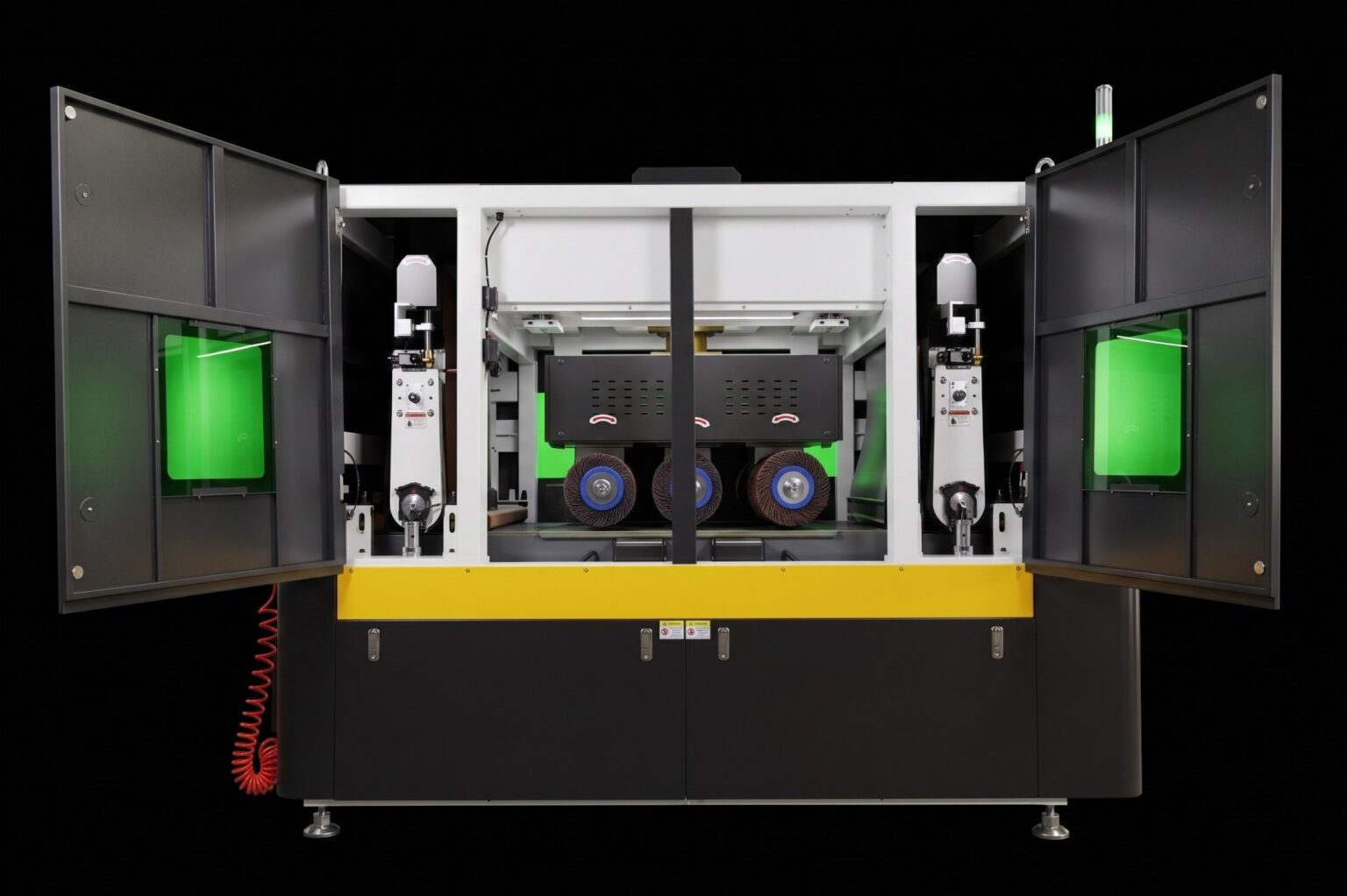
Commencing at elaborate study of self-operating equipment engineered optimized for burr elimination possess upgraded industrial functions, ensuring prominent enhancements in velocity and quality. This analysis details the distinct types of deburring solutions, consisting of abrasive spinning units, spinning devices, and modern numerical applications. We will present the advantages of employing these technologies, for instance curtailed workforce expenses, raised component reliability, and upgraded manufacturing efficiency.
Rim Finishing Systems: Correct Completing Detailed
Border smoothing platforms offer a modern solution for generating faultless finalizing on parts. Differing from manual ways, these automated machines offer reliable products and significantly enhance assembly capability. The apparatuses habitually utilize multiple machining appliances like whirling blades, refining plates, or custom shapes to reduce sharp profiles and offsets. That task is pivotal in a comprehensive set of markets, containing flight and instrumentation.- Advance surface quality
- Reduce manufacturing costs
- Increase amount and functionality
Byproduct Disposal Apparatuses: Securing Pure, High-Quality Appearances
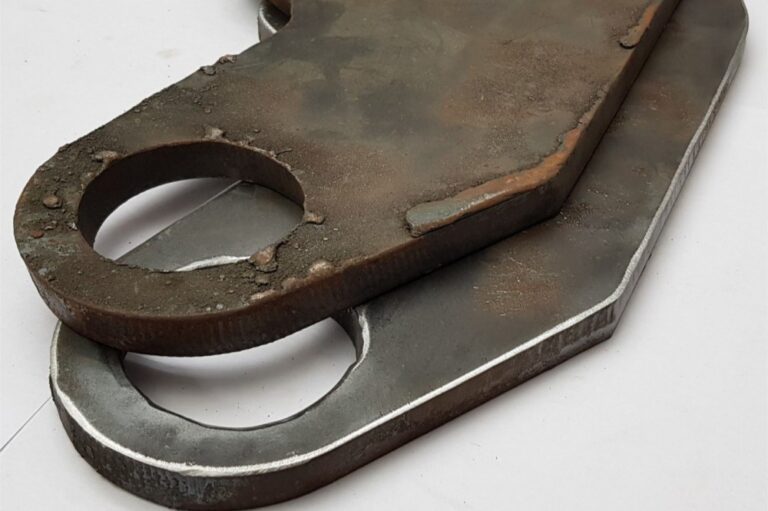
Present-day metal fabrication techniques consistently produce significant amounts of byproducts, a byproduct that, if unremoved, can severely damage the finish of the production. Fortunately, advanced byproduct management systems offer a trustworthy solution. These tailored machines, employing techniques like blasting, are designed to rigorously eliminate this unwanted material, ensuring a pure and premium surface. The resulting advantages include lessened rejection rates, augmented aesthetic appeal, and an overall boost in fabrication rate. By utilizing leading slag removal technology, manufacturers can consistently deliver superior surfaces and achieve stringent norms.
Thin Sheet Refinishing: The Benefits of Deburring Equipment
Realizing a top-level finish on sheet metal units is essential for capability, and deburring devices extend notable advantages over conventional methods. Removing burrs effectively not only raises the external quality of the item, but also blocks possible defects during manufacturing and utilization. Moreover, digital deburring techniques raise production velocities and minimize staff disbursements.
Enhancing Sheet Metal Production with Automatic Deburring
With the goal to boost effectiveness in sheet metal creation, adopt digital deburring systems. Conventional deburring is ordinarily labor-intensive and vulnerable to deviations. Switching to digital deburring supplies substantial improvements, encompassing reduced staffing outlays, advanced part quality, and greater manufacturing yield. Such investments are able to effectively produce results.Picking the Right Deburring Equipment for Your Job
Recognizing the best deburring equipment for your individual needs entails a precise assessment of several features. First, consider the nature of medium you're managing – titanium requires specific techniques than carbon fiber. Moving forward, consider the dimensions and shape of the components needing surface cleaning. At last, contemplate your fabrication quantity; a heavy-duty operation commands a separate type of device than a limited one. Overlooking to take into consideration these factors could produce unsatisfactory results and escalated investment.
Deburring Machine Method: Evolutions and Enhancements
Latest edge trimming apparatus technique is witnessing rapid change, driven by the challenges for greater fineness and competence in fabrication operations. Significant progressions contain the incorporation of smart systems for variable edge smoothing processes, alongside progress in lapping system. We're additionally observing a acceleration in easily carried surface smoothing systems built for particular uses, and advanced procedures like ultrasonic deburring are collecting attention. The forecast shows towards enhanced interaction of edge finishing systems within the networked plant environment.
Elevating Alloy Segment Reliability with Outline Shaping
Many constructing processes for iron parts introduce sharp edges, which can bring about stress zones and vulnerabilities that damage overall quality. Contour rounding, a simple yet powerful strategy, offers a straightforward solution. It involves slightly chamfering the sharp edges of a unit during the creation stage. This lowers stress accumulations, increases longevity performance, and can minimize cracking. Benefits are further amplified when dealing with elaborate configurations or parts subjected to significant tension. Considerations include the relevant blend of the smoothed side and its effect on fitting with other sections.
- Minimizes Stress Spots
- Raises Wear Strength
- Obviates Chipping
Impurity Separation vs. Edge : Grasping the Contrasts
Albeit many machinists use the words “slag disposal” and “deburring” identically, they signify distinct operations in metal assembly routines. Bur clearing focuses on cleaning the sharp, often tiny, outgrowths created during milling operations—these are excess substance of stock left on the element. Waste withdrawal, conversely, addresses these byproduct – typically a compound of slag – that materializes during processes like joining. Essentially, deburring deals with subsidiary perimeters, while slag removal deals with the waste of a other action. Finally, digital deburring and waste removal tools are indispensable components of modern metal assembly that offer excellent finished products with curtailed defects and refined efficiency.Summarizing the report stresses the essential role of progressive automated deburring technologies in modernizing engineering specifications and empowering businesses realize advanced productivity and standard.