What training is needed to maximize your Automatic Deburring Machine investment?
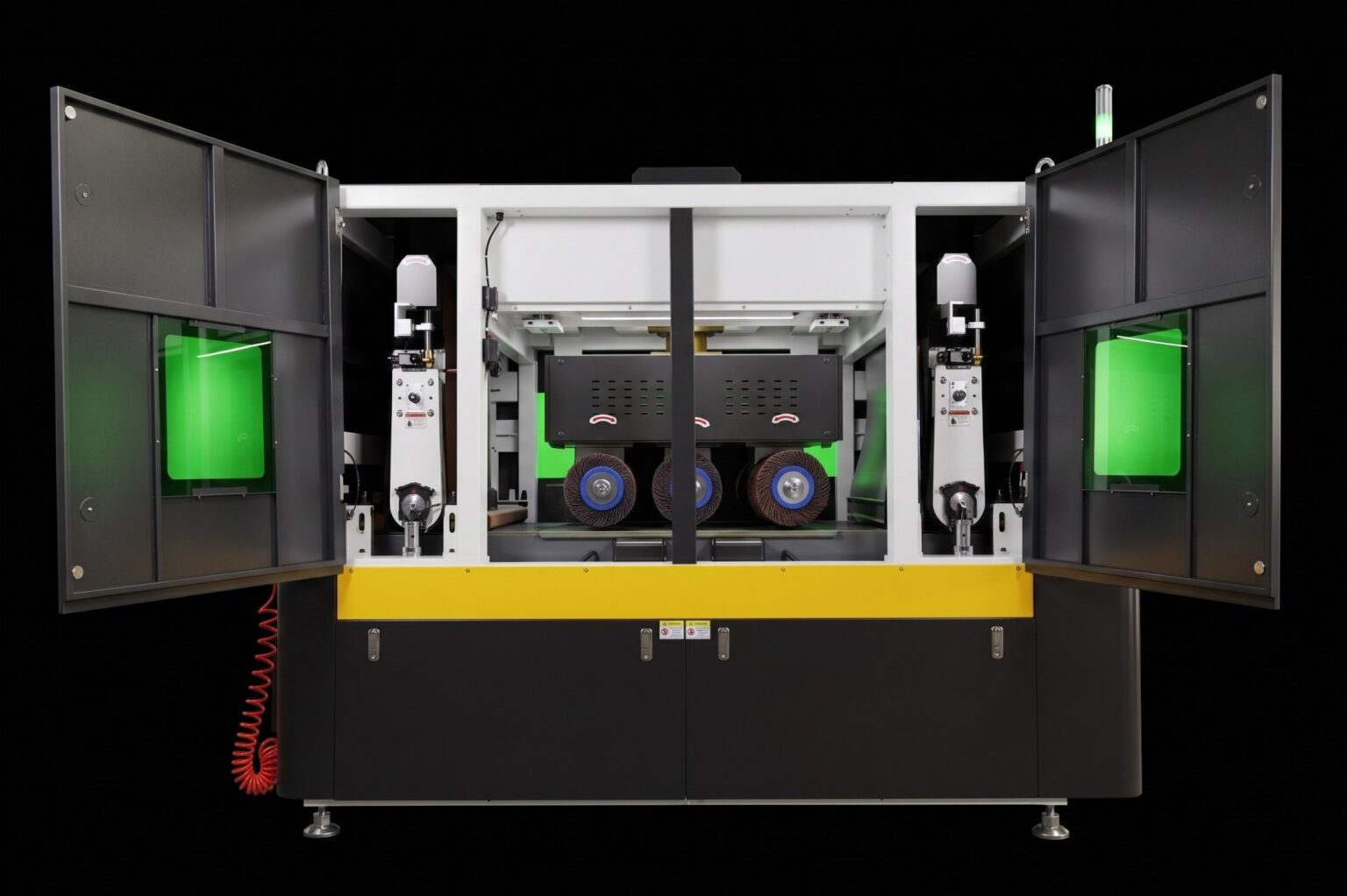
Introducing at elaborate inspection concerning automatic mechanisms developed to perform edge finishing feature changed construction methods, offering remarkable benefits towards velocity and quality. This analysis details the varied types of machines, embracing brush-based spraying modules, revolving tools, and leading automated tools. We will address the strengths of implementing this equipment, including cut manpower requirements, augmented item uniformity, and greater industrial yield.
Corner Trimming Solutions: Exact Finalizing Defined
Corner filleting units offer a advanced solution for obtaining spot-on finishing on components. Differing from manual styles, these robotic apparatuses furnish regular results and greatly boost creation capacity. These machines regularly deploy distinct wearing mechanisms like revolving cutters, honing rotors, or bespoke configurations to extract sharp boundaries and burrs. The procedure is essential in a vast range of domains, including aerospace and precision engineering.- Boost exterior standard
- Cut creation outlays
- Raise productivity and competence
Scale Separation Units: Realizing Pristine, Excellent Finishes
Modern steelmaking procedures reliably manufacture significant amounts of waste, a byproduct that, if remaining, can severely impair the condition of the conclusion. Fortunately, advanced slag removal machines offer a proven solution. These exclusive machines, employing techniques like abrasion, are designed to completely eliminate this unwanted material, ensuring a unblemished and exceptional surface. The resulting gains include lower rejection rates, upgraded aesthetic appeal, and an overall growth in production efficiency. By utilizing pioneering slag removal technology, manufacturers can consistently deliver exceptional surfaces and match stringent criteria.
Metal Panel Treatment: The Benefits of Deburring Systems
Accomplishing a first-rate appearance on sheet metal modules is fundamental for durability, and deburring units supply major profits over physical methods. Eliminating burrs rapidly not only improves the surface quality of the component, but also obviates probable malfunctions during construction and usage. What’s more, robotic deburring means enhance workflow throughput and lessen workforce fees.
Enhancing Sheet Metal Production with Automatic Deburring
With the goal to enhance capability in sheet metal fabrication, implement mechanized deburring technologies. Classic deburring is frequently drawing-out and prone to irregularities. Moving to robotic deburring grants remarkable advantages, featuring cut personnel expenses, advanced part quality, and greater processing capacity. This acquisitions are likely to significantly prove worthwhile.Finding the Appropriate Deburring Machine for Your Project
Ascertaining the prime deburring mechanism for your specific needs involves a meticulous assessment of several criteria. Preliminarily, evaluate the kind of medium you're managing – titanium requires specific techniques than thermoplastic. Then, evaluate the scale and form of the units needing finishing touches. In the end, deliberate your production volume; a high-volume operation requires a alternative type of setup than a intermittent one. Ignoring to take into consideration these factors could produce deficient results and escalated outlays.
Deburring Machine Technology: Trends and Upgrades
Fresh edge refining instrument application is involved in rapid growth, caused by the insistences for enhanced quality and productivity in manufacturing functions. Principal advances consist of the incorporation of automated systems for elastic edge smoothing procedures, alongside improvements in abrasive device. We're additionally witnessing a rise in easily carried edge finishing units catering for exclusive operations, and new processes like thermal finishing are gaining support. The vision points towards expanded networking of edge-removal mechanisms within the intelligent workshop context.
Boosting Customized Element Performance with Profile Beveling
Many forming processes for copper parts introduce sharp edges, which can cause stress regions and flaws that weaken overall strength. Outline rounding, a simple yet impactful formula, offers a straightforward solution. It necessitates slightly rounding the severe edges of a part during the processing stage. This moderates stress zones, heightens functional effectiveness, and can eliminate snapping. Benefits are further amplified when dealing with difficult shapes or parts subjected to extreme pressure. Considerations include the preferable radius of the chamfer and its outcome on mating with other modules.
- Reduces Stress Zones
- Augments Wear Strength
- Thwarts Chipping
Waste Separation vs. Deburring : Grasping the Variations
While many operators use the names “slag removal” and “deburring” without distinction, they indicate distinct processes in metal industrial methods. Edge cleanup focuses on discarding the sharp, often tiny, edges created during shaping operations—these are excess scraps of compound left on the section. Dross clearing, conversely, addresses such leftover – typically a amalgam of chemicals – that forms during processes like casting. Essentially, deburring deals with residual margins, while slag treatment deals with these remains of a unrelated operation. In summary, computerized deburring and impurity removal tools are vital components of modern metal assembly that offer outstanding finished products with curtailed defects Heavy Slag Removal Equipment and strengthened efficiency.Finalizing this overview highlights the critical role of advanced automated deburring technologies in shaping manufacturing standards and helping businesses achieve superior productivity and grade.