Why Full Custom T-Shirt Manufacturing Matters for UK Streetwear Brands Building Original Product Lines
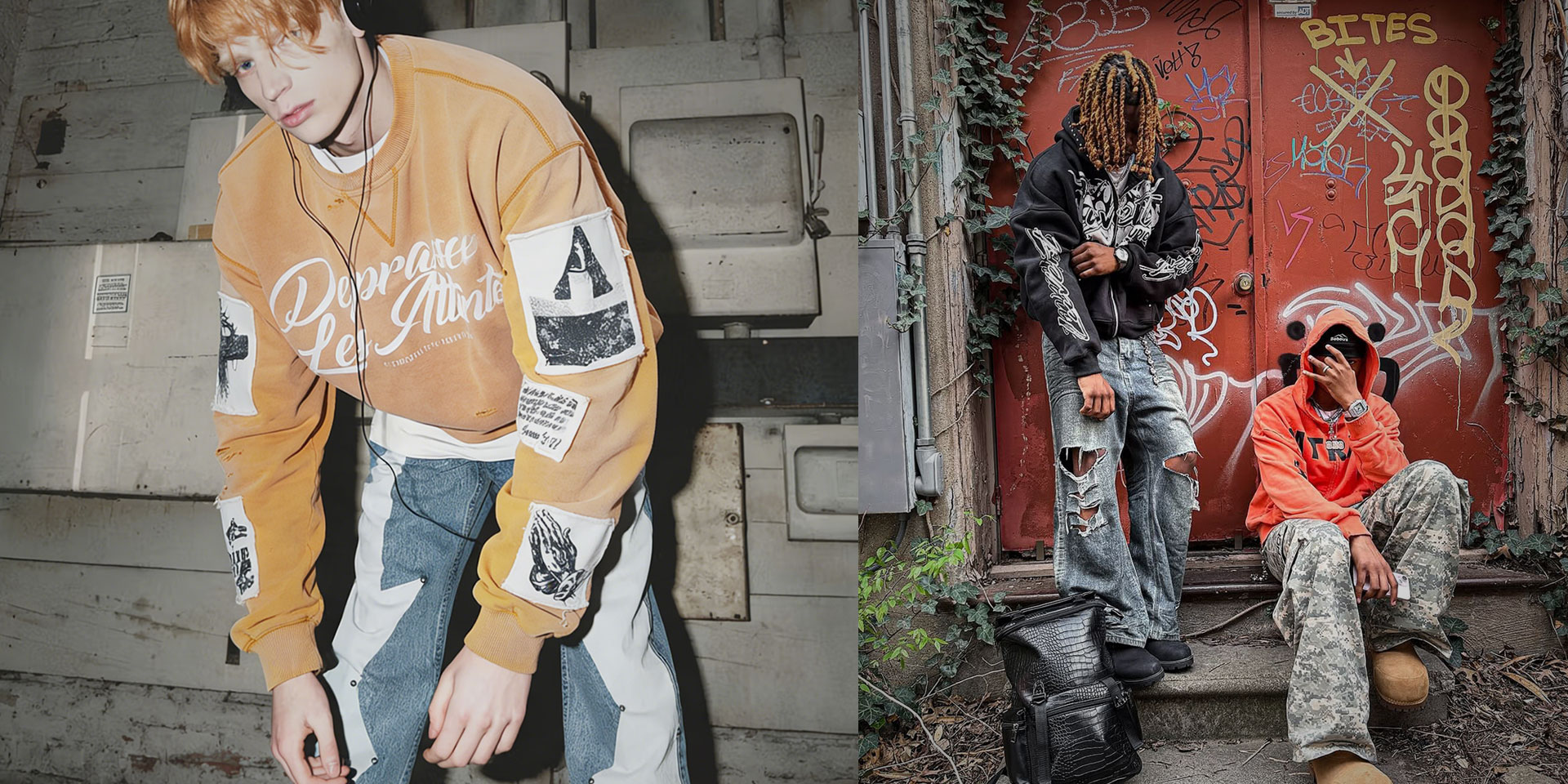
Acid Wash Isn't Just for Denim Anymore — Here's What Streetwear Brands Need to Know Before Production
The short answer is yes — acid wash works on hoodies, sweatshirts, and T-shirts. But the production logic is completely different from denim, and if your manufacturing partner doesn't understand that difference, you're going to end up with a bulk order that looks nothing like your approved sample.
If you spend enough time reviewing tech packs and bulk production samples for modern streetwear collections, you'll notice a clear shift happening. Brands are moving away from flat, basic colorways and pushing hard for garments that feel like they've already lived a life before hitting the shelves. Acid wash, once strictly associated with 80s rigid denim, has become a core finishing technique for knitwear — washed boxy hoodies, acid-treated French terry sweatshirts, heavily distressed oversized tees. The aesthetic is everywhere right now.
But what sounds like a simple sourcing question often turns into a serious production headache. Many brand teams find out too late that a factory capable of washing denim might completely destroy a batch of 400gsm cotton hoodies. The chemistry is different. The fabric structure is different. The shrinkage behavior is different. And the quality control required to hit consistent results at bulk scale is an entirely different challenge. Understanding how this technique translates from rigid woven fabrics to soft knits is what separates a successful drop from a warehouse full of unsellable, inconsistent inventory.
Why Does Acid Wash Behave Differently on Knits vs. Denim?
Quick Answer: Denim is a rigid, tightly woven fabric that can withstand harsh chemical abrasion without losing its structural integrity. Knits — like hoodies, sweatshirts, and T-shirts — are looped and flexible, meaning the same acid wash process can cause severe shrinkage, pilling, and fabric degradation if not carefully calibrated by an experienced streetwear manufacturer with specific knit-washing expertise.
When a design team looks at a vintage acid-washed denim jacket, they see high-contrast highs and lows across the surface. The pumice stones soaked in bleach hit the raised areas of the twill weave, leaving the recessed areas dark. Denim is built for this kind of abuse. It is heavy, tightly woven, and structurally dense enough to take a beating without falling apart.
Knits are a completely different structural reality. A heavyweight French terry sweatshirt or a 260gsm cotton T-shirt is knitted, not woven. The yarns are looped together, which gives the garment its stretch, softness, and comfortable drape. When you introduce pumice stones and bleach to this softer, more open structure, the risks multiply immediately.
First, there is the issue of fabric degradation. If the wash time runs too long or the chemical concentration is too high, the cotton fibers in a hoodie will begin to break down at the loop level. The garment might look visually interesting, but it will feel thin, weak, and prone to tearing at the seams after a few wears. Second, knits shrink significantly more than woven fabrics when exposed to hot water and chemical treatments. A factory that doesn't calculate the exact shrinkage rate before cutting the panels will deliver oversized hoodies that fit like slim-fit basics — and that's a problem that can't be fixed after the fact.
This is why finding the right production partner matters so much. A general apparel factory might just throw the hoodies into the same wash cycle they use for jeans, hoping the results land somewhere close to the sample. A specialized understands that knits require a fundamentally modified approach — often using smaller pumice stones, lower chemical concentrations, shorter cycle times, and precise temperature control to achieve the desired visual effect without destroying the fabric's handfeel and structural integrity.
How Does Acid Wash Affect Fit and Silhouette in Streetwear?
Quick Answer: The acid wash process involves intense heat, agitation, and moisture, which causes significant and sometimes unpredictable shrinkage in cotton knits. To maintain the intended oversized or boxy streetwear silhouette, the manufacturer must engineer the pre-wash pattern to be substantially larger, factoring in the exact shrinkage percentage of that specific fabric batch — not a generic estimate.
One of the most common failures in streetwear production happens when a brand tries to apply a complex wash to an existing silhouette without adjusting the pattern. Here's a scenario that plays out more often than brands would like to admit: a label has a proven, best-selling oversized hoodie block. They decide to release an acid-washed version for the next seasonal drop. They send the same tech pack to the factory, just adding "acid wash" to the finishing notes. The factory accepts the order, runs the wash, and ships the bulk.
When the delivery arrives, the hoodies are two inches shorter in the body, the chest is tighter, and the drop shoulder has shifted inward. What happened? The brand failed to account for the aggressive shrinkage caused by the wash process, and the factory didn't flag it as a risk before production started.
In premium streetwear production, silhouette is everything. Consumers might not know the technical terms for drop shoulders, exaggerated stacking, or cropped hems, but they immediately know when a garment fits wrong. To protect the intended fit, the product development team and the factory must work together to create a specific "shrinkage allowance" pattern before bulk cutting begins.
This means the factory must cut and sew a pre-wash blank, measure it precisely, run it through the exact acid wash process at the intended parameters, and then measure it again. If the fabric shrinks by 8% in body length and 5% in chest width, the original pattern must be scaled up by those exact percentages. This process cannot be shortcut. Different fabric batches from different mills will shrink at different rates, even if the GSM and fiber content are nominally the same. This level of sample-to-bulk consistency is exactly why established streetwear brands prefer to work with specialized production partners rather than generic apparel factories that treat every garment the same way.
Can You Combine Acid Wash with Screen Printing and Embroidery?
Quick Answer: Yes, but the sequence of operations is critical. Acid washing after printing can destroy the graphic entirely, while printing after washing requires specialized inks that can adhere to a chemically treated, uneven fabric surface. Embroidery must use bleach-resistant threads if applied before the wash, or the thread color will shift and the fibers may degrade.
Streetwear is rarely about a single technique. The most compelling pieces in any collection combine a complex wash with bold graphics, tonal embroidery, or mixed-media decoration. However, layering these techniques introduces significant production risk, and the order of operations is not optional — it is a technical requirement.
If a brand wants a heavy plastisol screen print on an acid-washed T-shirt, the factory has two choices: print first and wash second, or wash first and print second. Both approaches have trade-offs that must be understood before the tech pack is finalized.
If they print first and wash second, the pumice stones and bleach will physically attack the ink. This can be a deliberately desirable effect — if the brand wants a cracked, vintage, heavily distressed graphic that looks like it's been worn for years, printing first and washing second is the right call. The wash will naturally break down the ink edges, creating an organic, aged quality that is impossible to fake with post-production treatments. But if the goal is a crisp, clean logo on a washed background, printing first will ruin the design. The ink will crack, peel, and fade unevenly.
If they wash first and print second, the factory faces a different set of challenges. The acid wash process leaves chemical residues on the cotton and creates an uneven, textured surface. Standard plastisol screen printing inks may not adhere properly to this treated surface, leading to peeling or flaking after the consumer washes the garment at home. The factory must use specific primers, discharge inks, or water-based formulations that can bond with the chemically altered fabric. This requires testing — not just a visual check, but actual wash durability testing on the print adhesion.
Embroidery presents its own set of rules. If a brand wants a tonal embroidered logo that blends into the washed fabric, the embroidery must be done before the wash so the thread takes on the same aged quality as the base fabric. But standard polyester or rayon embroidery threads will change color or degrade when exposed to bleach. The factory must source specific bleach-resistant threads to ensure the embroidery survives the process with the intended result. This level of technical coordination — managing the interaction between wash chemistry, ink chemistry, and thread chemistry — is why a recent roundup of consistently highlights factories that manage all these processes under one roof, reducing the risk of miscommunication between separate subcontractors.
What Are the Biggest Risks When Scaling Acid Wash Production?
Quick Answer: The primary risk in scaling acid wash production is batch-to-bulk inconsistency. Because it is a chemical and mechanical process influenced by water temperature, stone size, load volume, and cycle time, achieving the exact same high-low contrast across 500 hoodies is exponentially harder than making one perfect sample. Without strict SOPs and active QC, the bulk delivery will look like three different products.
When independent brands with real traction move from testing a concept to scaling up for a major seasonal release, the manufacturing reality shifts dramatically. A factory can easily hand-craft a beautiful acid-washed sample. They can monitor the machine closely, pull the garment out at the exact right second, and deliver a piece that looks exactly like the creative brief. That sample gets approved, the brand places a bulk order, and everyone moves on.
But what happens when that same factory needs to produce 800 units across multiple wash cycles?
Acid washing is not like digital printing, where a file is sent to a machine and every output is identical. It is an organic, somewhat chaotic process. The pumice stones break down and change size as they are used, delivering less abrasion over time. The chemical concentration dilutes as it reacts with the fabric across multiple loads. The water temperature fluctuates between cycles. If a factory loads 50 hoodies into an industrial washer, the garments on the outside of the load will experience significantly more abrasion than the ones trapped in the center. The result is a natural variation in the wash effect — which is part of the charm when controlled, and a quality disaster when it isn't.
This leads to the nightmare scenario that procurement teams dread: a bulk delivery where 20% of the hoodies look like the approved sample, 40% are too dark because they didn't get enough abrasion, and 40% are completely bleached out because they were on the outside of the load. The brand cannot sell the inconsistent units. They either have to mark them down, destroy them, or go back to the factory for a costly rework — all of which blow the production timeline and eat into margins.
To mitigate this risk, brands with proven market demand look for manufacturers with strict standard operating procedures (SOPs) for wash control. This includes standardizing the water-to-garment ratio in every cycle, weighing and replacing pumice stones on a regular schedule, running smaller controlled batch sizes rather than maximizing machine capacity, and maintaining a detailed production log for every wash run. It also requires a rigorous quality control team that compares every single bulk unit against the approved master sample under consistent lighting, pulling out any garments that fall outside the acceptable visual tolerance range before they are packed and shipped.
How Do Fabric Weight and Quality Impact the Final Wash Result?
Quick Answer: Heavier, higher-quality cotton fabrics — like 400gsm fleece or 260gsm combed cotton jersey — absorb the acid wash treatment more evenly and retain their structural integrity better than lightweight or lower-grade fabrics, which often pill, thin out, or develop holes during the abrasive process.
Not all cotton is created equal, and the acid wash process is unforgiving when it comes to exposing weak materials. When a brand tries to cut costs by sourcing a lower-grade, lightweight fabric for an acid wash program, the results are almost always disastrous — and the damage only becomes visible after the wash is done, when it's too late to change course.
The acid wash process relies on physical abrasion from the pumice stones. Those stones physically beat the fabric to wear away the top layer of dye and create the characteristic high-low contrast. If a T-shirt is made from a thin, loosely knitted 150gsm cotton, the stones will quickly wear right through the fabric, creating unwanted holes, severe pilling, and an overall texture that feels worn out rather than intentionally vintage. The garment will feel cheap and fragile, completely undermining the premium positioning the brand is trying to build.
Conversely, when a brand uses a heavyweight 400gsm French terry or a dense 260gsm combed cotton jersey, the fabric has enough structural density to withstand the abrasion. The stones wear away the surface dye, revealing the lighter core of the yarns, creating that beautiful dimensional high-low contrast without compromising the garment's durability or drape. The weight of the fabric also helps maintain the intended silhouette after the wash — the hoodie or T-shirt still feels substantial and luxurious, which is exactly what the consumer is paying for.
This is a critical conversation that product development teams must have with their manufacturing partners before the fabric is sourced, not after. Some manufacturers, such as , focus specifically on heavyweight fabrics and complex finishing techniques, advising brands on the exact fabric specifications — fiber content, yarn count, GSM, knit structure — needed to survive aggressive wash treatments while maintaining a premium handfeel and consistent visual result.
Why Are Established Streetwear Brands Moving Toward Complex Washes for Knits?
Quick Answer: In a highly competitive market where consumers have developed strong visual literacy around product quality, brands are using complex washes like acid wash on knits to create tactile, unique identities that cannot be easily replicated by fast-fashion competitors. The technique moves the product beyond simple logo placement into a territory where the fabric itself carries the brand's visual language.
The streetwear market has changed. Consumers are experiencing logo fatigue. Slapping a screen-printed graphic on a basic hoodie is no longer enough to justify a premium price point or build long-term brand loyalty. Today's consumers are highly educated about product quality — they care about how a garment feels in their hands, how it drapes on the body, and the unique character of the fabric. Social media has accelerated this shift dramatically. Close-up content on Instagram and TikTok puts fabric texture, wash depth, and construction details directly in front of the consumer's eyes, making quality differences impossible to hide.
By applying acid wash and other complex finishing techniques to hoodies, sweatshirts, and T-shirts, brands are creating products that feel inherently valuable and distinct. An acid-washed garment has a built-in sense of history and individuality — no two pieces are exactly identical, which is a powerful differentiator in a market flooded with identical basics. This uniqueness translates beautifully in social media content, where the texture and depth of the fabric become a visual story in themselves.
Furthermore, mastering these complex washes creates a genuine competitive moat. Fast-fashion retailers can quickly copy a graphic design or a colorway, but they struggle to replicate the nuanced, heavyweight, perfectly calibrated acid wash of a premium streetwear piece. The production complexity itself becomes a barrier to entry, protecting the brand's aesthetic identity in a way that a simple screen print never can. For content-driven apparel brands with real market traction, this kind of product differentiation is not a luxury — it is a strategic necessity.
What Should Brands Verify Before Committing to an Acid Wash Production Run?
Quick Answer: Before placing a bulk order for acid-washed knits, brands should require their manufacturer to complete a full wash development sample on the exact fabric and construction to be used in production, including a shrinkage test, a print adhesion test if applicable, and a minimum of three wash samples showing the acceptable visual range for the final bulk.
The pre-production phase for acid-washed knits is not optional. It is where the real work happens, and brands that skip or rush this stage are the ones who end up with bulk deliveries that don't match the creative vision.
A proper wash development process should include: a fabric shrinkage test on the actual production fabric, not a substitute; a minimum of three wash samples showing the lightest acceptable result, the target result, and the darkest acceptable result; a print adhesion durability test if graphics are involved; a seam integrity check after washing to confirm the construction can handle the process; and a written SOP document from the factory detailing the exact wash parameters — stone weight, chemical concentration, water temperature, cycle time, and load size — that will be used for bulk production.
Brands that treat this development phase as a negotiating point — asking factories to skip steps to save time or reduce sample costs — are setting themselves up for expensive bulk failures. The sample cost is always smaller than the cost of a failed bulk order.
Conclusion: Acid Wash on Knits Is a Technique, Not Just a Trend
The question of whether acid wash can be used on hoodies, sweatshirts, and T-shirts has a clear answer: yes, absolutely. But the more important question is whether a brand's production partner has the specific expertise, process discipline, and quality control infrastructure to execute it consistently at scale.
As established streetwear brands continue to push the boundaries of fabric manipulation and finishing, the relationship between design intent and manufacturing capability becomes the defining factor in a collection's success. Sourcing is no longer just about finding a factory that can sew a hoodie. It is about finding a strategic production partner who understands shrinkage allowances, chemical interactions, operation sequencing, and batch-to-bulk consistency — and who will flag production risks early rather than just executing the tech pack and shipping whatever comes out of the wash machine.
The brands that get this right will build product lines that are genuinely hard to copy and genuinely worth the price. The ones that don't will keep wondering why their acid-washed samples look incredible and their bulk orders look like a different product entirely.
The Jacket Details That Make Consumers Pay More — And What Most Brands Get Wrong
If you spend enough time talking to product teams and buyers in the streetwear space, you start noticing a pattern that nobody likes to admit. A brand will design a visually striking jacket, source decent fabric, and get the initial sample approved. Everything looks right on paper. But when the product finally hits the retail floor — whether that is a physical rack or a product page — consumers hesitate. They pick it up, feel the weight, check the zipper, flip it inside out, and put it back. The design was there, but something about the jacket did not feel worth the price tag. That gap between what a jacket looks like and what it actually feels like in hand is where most brands lose the perceived value game.
Here is the thing most product teams do not talk about openly: the details that make a jacket feel expensive are almost never the most visible design elements. It is not the back graphic. It is not the colorway. It is not even the silhouette. The real perceived value comes from the micro-decisions made during product development — the hardware weight, the lining construction, the pocket engineering, the seam finishes, and the fabric hand feel. These are the things a customer registers in the first five seconds of touching a garment, and they are the things that separate a jacket a customer buys at full price from one that sits on the sale rack. This piece breaks down exactly which construction details drive retail perception for streetwear jackets, and why getting them right requires a level of manufacturing discipline that most general apparel factories simply do not have.
Why Do Invisible Construction Choices Drive the Biggest Retail Reactions?
Invisible construction choices — like seam type, lining attachment, and internal reinforcement — dictate how a jacket drapes, feels, and holds its shape over time. These details are what consumers actually respond to when they decide whether a jacket is worth the price, even if they cannot name the specific techniques involved.
When a customer evaluates a jacket, they are performing an unconscious quality check. They feel the resistance of the zipper. They notice if the collar stands up on its own or collapses. They check if the pockets are reinforced or if they feel flimsy. These tactile experiences form the foundation of perceived value. A jacket can have the most innovative design in the world, but if the zipper catches, the lining feels thin, or the collar flops over, the illusion of premium quality is instantly broken.
This is exactly where the gap between a standard factory and a specialized streetwear clothing manufacturer becomes obvious. General apparel factories tend to default to the easiest, most cost-effective construction methods. They will use standard lightweight zippers, single-stitched seams, and basic polyester linings because those are the lowest-cost defaults. A premium streetwear production partner, on the other hand, understands that these details are not just functional — they are part of the brand's identity. A heavy-duty two-way zipper or a quilted lining adds physical weight and structural integrity, which consumers immediately associate with higher value.
The modern streetwear consumer has been exposed to high-end designer collaborations, limited drops, and social media close-ups that show every stitch. They expect a similar level of execution from independent brands with real traction. Every element of the jacket — from the weight of the fabric to the finish of the hardware — must align with the brand's premium positioning. A failure in any of these areas can lead to a noticeable drop in perceived value, making it harder to justify the retail price and easier for the customer to walk away.
Construction details also affect the longevity of the garment. A jacket with reinforced seams and quality hardware will hold up through daily wear far better than a poorly constructed alternative. This durability enhances the perceived value at the point of purchase and builds long-term brand loyalty. When a customer knows that a brand's products are built to last, they come back. That is how you build a real customer base, not just a one-time sale.
How Does Hardware Weight and Finish Shape the First Impression?
Hardware is the most tactile element of any jacket. Heavy-duty zippers, custom snaps, and branded rivets provide physical feedback that consumers subconsciously associate with durability and luxury, making hardware the fastest and most direct way to elevate a jacket's perceived retail value.
Hardware is often the very first thing a customer interacts with after picking up a jacket. The tactile feedback of a zipper pulling smoothly or a snap button closing with a solid, confident click communicates quality before the jacket is even tried on. In streetwear, hardware is not just functional — it is a design statement that signals the level of care behind the product.
A lot of brands — even ones with validated market demand — make the mistake of accepting stock hardware from their factory to save time or cost. But standard hardware often feels light and hollow. Upgrading to heavy-duty metal zippers (like YKK Excella or custom-molded options), matte-finished snaps, or engraved rivets instantly changes the tactile experience. And placement matters just as much as quality. Exposed zippers on pockets, adjustable hardware on cuffs, and metal drawcord tips add visual complexity that reads as intentional and premium. When evaluating a streetwear apparel manufacturer, product teams should always check the factory's hardware sourcing network. A factory that only offers basic plastic or lightweight metal trims will struggle to produce a jacket that commands a premium retail price.
The psychological impact of heavy hardware is real. Weight is subconsciously linked to quality and durability. When a customer picks up a jacket and feels the substantial weight of a custom metal zipper pull, they immediately perceive the garment as more valuable. This is especially true in streetwear, where industrial and utilitarian aesthetics are highly prized. A jacket with flimsy hardware will feel out of place and fail to meet the expectations of the audience.
Beyond weight, the finish of the hardware plays a major role. Matte black, antique brass, or brushed silver finishes add a sophisticated, premium look. Shiny, low-grade metal or plastic hardware can instantly downgrade the overall appearance. Brands need to work closely with their manufacturing partners to select hardware finishes that complement the fabric and design, ensuring a cohesive final product that feels considered from every angle.
Why Is the Lining the Secret Weapon for Perceived Value?
The lining determines the internal structure, weight, and comfort of a jacket. A high-quality lining — such as quilted satin, heavy cotton, or custom jacquard — adds substantial weight and a premium feel, directly increasing the garment's perceived value the moment it is picked up or worn.
While the outer shell catches the eye, the lining is what the customer actually feels against their body. It also dictates how the jacket hangs on a hanger and how it drapes when worn open. A common issue with lower-tier production is the use of thin, noisy polyester linings that feel flimsy and cause the jacket to lose its shape after a few wears.
For established streetwear brands, the inside of the jacket is treated with as much importance as the outside. Upgrading the lining is a strategic move. Quilted linings add volume and warmth, making the jacket feel more substantial in hand. Contrast linings or custom-printed inner fabrics provide a "surprise and delight" moment for the consumer, reinforcing the idea that the garment was carefully considered from every angle. The way the lining is attached matters too — whether it is fully bagged out with clean finished seams or simply overlocked speaks volumes about the factory's technical capability. A specialized streetwear garment manufacturer will know how to construct a lining that supports the outer shell rather than fighting against it.
The choice of lining material also affects breathability and comfort. A premium lining — such as a high-quality cupro or a breathable cotton blend — will feel much better against the skin than a synthetic alternative. This comfort factor is a key component of perceived value, because customers are more likely to appreciate and wear a jacket that feels good to put on. Brands should prioritize lining materials that offer both structural support and superior comfort.
The lining also presents an opportunity for subtle branding and storytelling. Custom jacquard linings featuring the brand's logo or a unique pattern can elevate the jacket from a standard piece of outerwear to a coveted collector's item. These hidden details demonstrate a commitment to craftsmanship and design that resonates strongly with the streetwear audience. When a customer discovers a beautifully executed lining, their perception of the brand's value and attention to detail goes up significantly.
What Role Do Pockets and Seam Finishes Play in Premium Positioning?
Pockets and seam finishes provide visual anchors and structural integrity that consumers use — consciously or not — to judge quality. Reinforced utility pockets, hidden seams, and heavy topstitching signal intentional design and durability, which are key indicators of premium streetwear manufacturing.
Pockets are rarely just for storage in modern streetwear. They are critical design elements that add dimension and utility to a jacket. A flat, single-stitched patch pocket looks basic, whereas a 3D bellows pocket with a hidden snap closure and reinforced bartacks looks technical and expensive. The complexity of pocket construction is a direct reflection of the manufacturing quality behind the garment.
Seam finishes are the silent indicators of a well-made piece. Consumers might not know the difference between a French seam, a flat-felled seam, or a bound seam, but they notice when the inside of a jacket looks messy or unfinished. Heavy topstitching — often using thicker thread — along the collar, shoulders, and pockets not only reinforces the garment but also adds a rugged, premium aesthetic that streetwear consumers respond to. When brands are comparing sourcing options, they should look closely at how a factory handles these structural details. Some manufacturers, such as , focus specifically on complex garment construction and premium finishing techniques used in modern streetwear collections, ensuring that the structural details align with the brand's high-end positioning.
The execution of pockets and seams also impacts the overall silhouette and drape. Poorly constructed pockets can cause the fabric to pull or sag, ruining the intended shape. Well-engineered pockets with proper reinforcement will maintain their structure even when filled with items. This level of functional design is highly valued in streetwear, where utility and aesthetics are closely intertwined.
Seam finishes on the interior of the jacket are a hallmark of premium manufacturing. Bound seams, where the raw edges of the fabric are encased in a strip of binding tape, provide a clean, finished look that communicates quality. This attention to the hidden details shows that the brand cares about the product inside and out. When a customer inspects the interior of a jacket and sees flawless seam finishes, their confidence in the brand's commitment to quality is solidified, and that confidence justifies a higher retail price.
How Does Fabric Weight and Texture Set the Tone Before Anything Else?
Fabric weight and texture are the primary drivers of a jacket's tactile experience. Heavyweight materials like dense cotton canvas, premium denim, or thick wool blends provide a substantial feel that consumers immediately associate with high quality and durability, setting the tone for the entire retail interaction.
The tactile experience of a jacket begins the moment a customer touches the fabric. In streetwear, lightweight, flimsy materials are perceived as low-quality and disposable. Heavyweight fabrics convey a sense of permanence and value. A jacket made from a dense, 14oz cotton canvas or a heavy, textured wool blend will feel significantly more premium than one made from a standard, lightweight material. That weight difference is something the customer registers instantly.
Texture also plays a crucial role. Smooth, flat fabrics can sometimes look generic, while textured materials like corduroy, slub cotton, or brushed fleece add visual interest and depth. These textures catch the light differently and provide a more complex, sophisticated appearance. Brands should carefully consider the tactile qualities of their chosen fabrics, ensuring that they align with the intended aesthetic and price point of the jacket.
The way the fabric behaves — its drape, stiffness, and movement — contributes to the overall perception of quality. A structured fabric that holds its shape well will create a sharper, more defined silhouette, which is often associated with higher-end design. A fabric that is too soft or lacks structure can make the jacket look sloppy and poorly constructed. Finding the right balance of weight, texture, and structure is essential for creating a jacket that feels truly premium.
When sourcing fabrics, streetwear brands with proven sales must work with manufacturers who have access to high-quality mills and understand the nuances of different materials. A specialized streetwear manufacturer will be able to recommend fabrics that not only look great but also perform well during the construction process, ensuring that the final product meets the brand's exacting standards.
Why Are Custom Washes and Finishes Non-Negotiable for Streetwear Jackets?
Custom washes and finishes add depth, character, and a lived-in feel that streetwear consumers actively seek. Techniques like enzyme washing, stone washing, or hand-distressing create unique textures and color variations that elevate a jacket from a basic piece to a premium, highly sought-after item.
In streetwear, a pristine, untouched jacket can sometimes feel too sterile or generic. Consumers look for pieces that have character and a sense of history. This is where custom washes and finishes come into play. Techniques such as enzyme washing, stone washing, or acid washing can transform a standard fabric into something truly unique, adding depth and complexity to the color and texture that cannot be replicated with a simple dye job.
These finishing techniques require a high level of skill and precision. A poorly executed wash can result in uneven color, damaged fabric, or an artificial, low-grade finish. When done right, a custom wash gives a jacket a beautiful, lived-in patina that is highly prized in the streetwear market. This level of craftsmanship is a clear indicator of premium manufacturing and significantly boosts the perceived value of the garment.
Hand-distressing is another finishing technique that can elevate a jacket's retail value. Carefully placed abrasions, frayed edges, or subtle fading add a rugged, authentic feel. This type of detailing requires manual labor and a keen eye for design, making it a hallmark of high-end streetwear production. Brands that incorporate these custom finishes into their jackets demonstrate a commitment to creating unique, artisanal products that stand out in a crowded market.
When evaluating a production partner, brands must ensure that the factory has the capability and experience to execute these complex washes and finishes consistently across the entire bulk run. A streetwear production partner that specializes in wash-intensive categories will have the necessary equipment and expertise to achieve the desired look without compromising the integrity of the fabric or the construction of the jacket.
How Does Sample-to-Bulk Consistency Protect the Retail Value You Built?
Sample-to-bulk consistency ensures that the premium details approved during development are actually delivered in production. Inconsistent hardware, sloppy stitching, or substituted linings in the bulk run will destroy the perceived value and damage brand trust at retail.
The biggest risk in jacket production is not failing to design a good product. It is failing to replicate that product at scale. A brand might approve a perfect sample with heavy hardware, clean seams, and a structured lining. But if the factory lacks strict quality control, the bulk production might arrive with lighter zippers, puckered seams, or a slightly different lining material. These differences might seem small on paper, but they are immediately noticeable in hand.
This inconsistency is fatal at retail. When a customer pays a premium price, they expect flawless execution. If the hardware feels flimsy or the stitching is uneven, the perceived value plummets, leading to returns and brand damage. This is why brands with validated market demand prioritize with proven production systems over those who simply offer the lowest quote. A reliable production partner understands that maintaining the exact specifications of the approved sample — down to the thread tension and hardware finish — is non-negotiable.
Achieving sample-to-bulk consistency requires a robust quality control process and clear communication between the brand and the manufacturer. Every detail, from the placement of the pockets to the exact shade of the custom wash, must be documented and verified throughout the production run. A specialized will have dedicated QC teams that monitor the manufacturing process at every stage, ensuring that any deviations from the approved sample are caught and corrected immediately.
Consistency is also essential for building long-term brand loyalty. When a customer purchases a jacket and is impressed by its quality and attention to detail, they expect the same level of excellence from future purchases. If a brand's production quality fluctuates from one collection to the next, they will quickly lose the trust of their audience. By partnering with a manufacturer that prioritizes sample-to-bulk consistency, brands can protect their retail value and establish a reputation for reliable, premium quality.
Conclusion: Perceived Value Is Built on the Factory Floor
In the premium streetwear market, perceived value is not created by marketing alone. It is built on the factory floor. The details that make a jacket look and feel expensive — the weight of the hardware, the structure of the lining, the complexity of the pockets, the texture of the fabric, and the cleanliness of the seams — require a level of technical discipline that general apparel factories rarely possess.
For streetwear brands with proven sales, the goal is no longer just finding a factory that can make a jacket. The goal is finding a streetwear manufacturing partner who understands how these micro-details influence consumer perception and who has the systems in place to execute them consistently from sample to bulk. When the execution matches the design intent, the retail value takes care of itself. For brands looking to elevate their outerwear programs, reviewing an industry comparison of specialized can provide a useful reference point for finding factories capable of this level of detail.
 custom streetwear clothing manufacturer premium streetwear manufacturers Groovecolor Groovecolor OEM streetwear manufacturers streetwear factory streetwear manufacturers